Clementine will remember

Telltale Games produces a series of narrative games, where you occasionally had to take a decision. This would then prompt a message in the top-left corner of the screen, that the person you were talking to, will remember this decision. Your decision then had a consequence, but not immediately, but somewhere down the line. Sometimes even in later episodes (these games would typically come out in several episodes, each one sometimes several months apart).
This stuck with me. I don't know if they were the first to do so, but it is at least the one I remember (see what I did there). I became a fan of, what I call, delayed consequences.
Sometimes we fall into the trap, that if we roll badly on the dice, that this means we do not succeed at something and something bad is happening. A very binary outcome. This also leads a group being stuck at an obstacle, because they continue to fail that test.
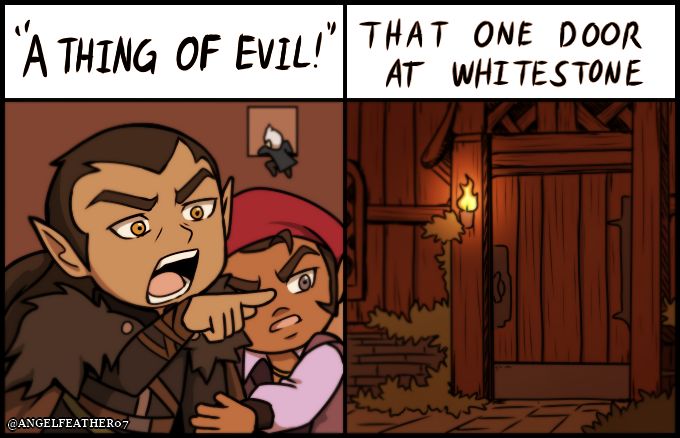
Not only does this sound boring for the GM, calling for the same check over and over again, but it also takes away competency, and ultimately agency, from the character. A rogue should be able to pick mundane locks pretty easily. There should be maybe not even a check, but rather the die should inform how well of a job they did.
The door is opened, but it was done so poorly that it doesn't close anymore, always swinging open (preferably with a loud creak). Somebody is going to notice. Not now. Sometimes later. Maybe never. But the players know they screwed up and they have the decision to either follow through with their plan or bolt.
Immediately this gives the agency back to the players. They are always in control, but must live with the consequences.
This is something I allured already way back, when talking about Hexcrawling. They key is suspense over surprise. Don't spring the city guard on them, when they fail, but make sure that they know, that their actions might have alerted them. Tension Pools can help you. Clocks are another tool. I wish more games and books would actually implement these kind of helpers into their systems.
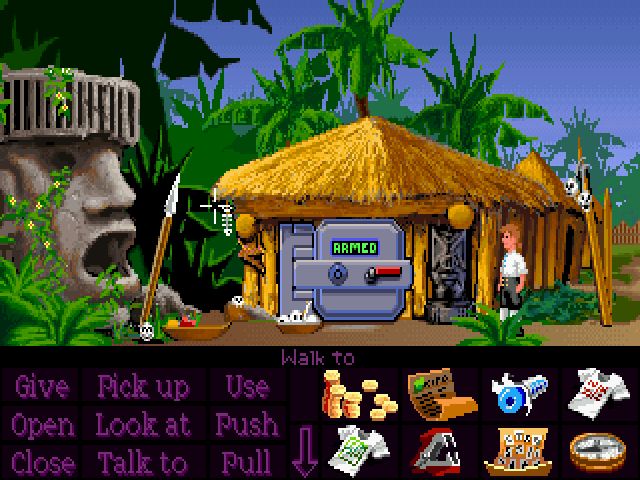
Delayed consequences are also a way to make your world a living place. Think about the Cannibal's Prison in the first Monkey Island game. Every time you escaped it, they improved it's supposed security (of course it had one fatal flaw - but that's not important). The world is changing around you, on things the characters did.
Do you always have to use delayed consequences? No. There are places, where classical immediate consequences are perfectly fine. Probably a lot of checks in games, will have immediate consequences. Combat is a prime example. But this is also enforced with mechanics in game.
It is here, where your experience as a GM comes in. You will get a feeling when it is better to put on a little bit of a break and let the players feel the consequences later. As a rule of thumb, whenever a character tries something that should be within their expertise but fails, let them succeed, but let it have a delayed consequence. Things that are done within a tight timeframe or out of expertise of a character has immediate consequences.
There's two pitfalls, that you have to know, though.
First, don't create too many delayed consequences. In the end you will have to track all of them. If the consequence is not of importance or adds an interesting twist to the story, forego it. Have meaningful consequences.
Secondly, always telegraph these consequences. Do not surprise. Suspense over surprise. Let the players know something is going to happen, but not when. Trust me, they will interpret enough into these kind of things and make the wildest assumptions.